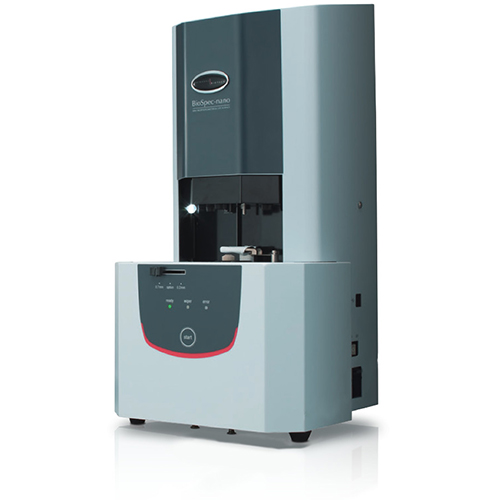
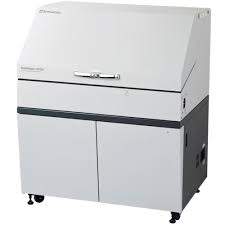
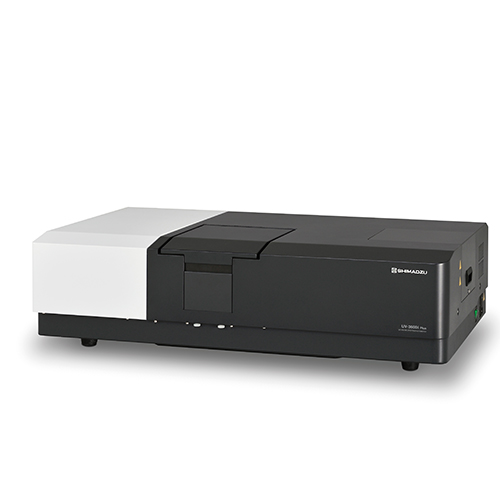
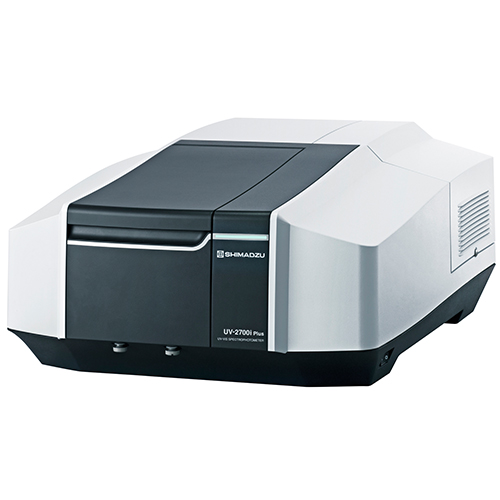
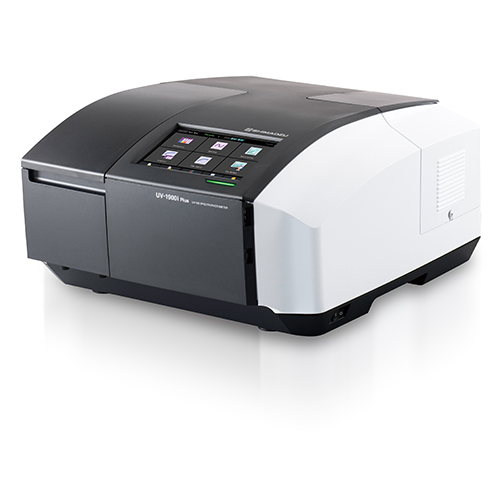
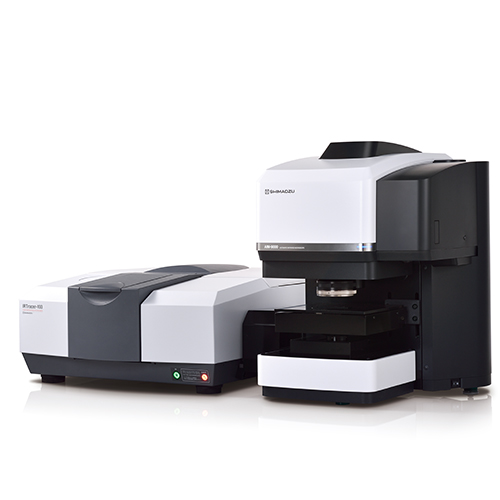
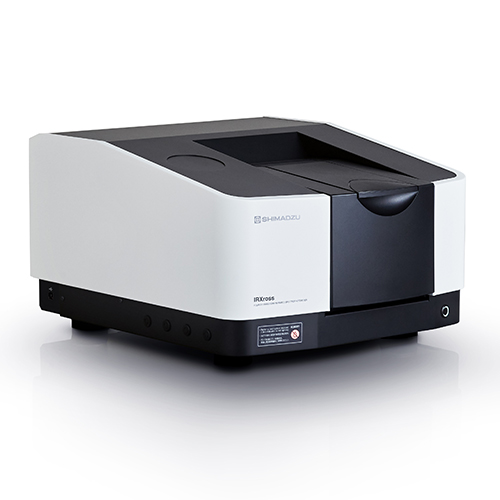
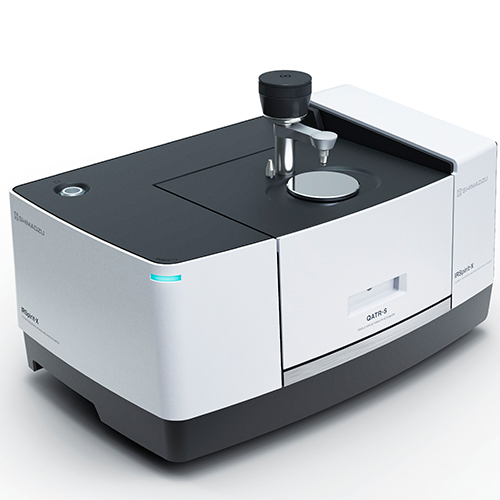
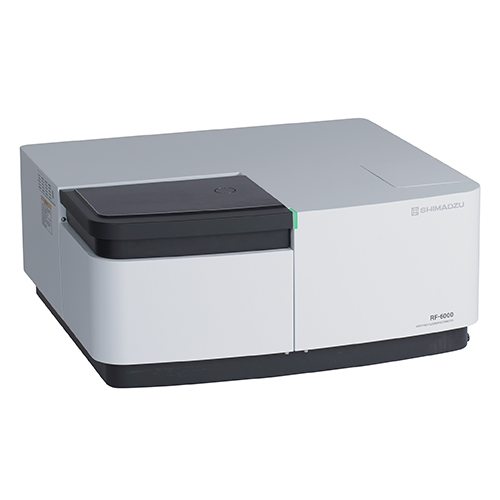
Shimadzu spectroscopy systems provide laboratories with powerful analytical tools that measure how molecules interact with electromagnetic radiation, from ultraviolet through infrared wavelengths. These instruments are essential for molecular characterization, concentration analysis and material property evaluation, supporting routine quality control as well as advanced research across multiple industries.
Shimadzu’s molecular spectroscopy portfolio includes UV–Vis, UV–Vis–NIR, FTIR, fluorescence spectrophotometers and a range of elemental analysis systems such as Atomic Absorption Spectrometer (AAS), Inductively Coupled Plasma (ICP) and X‑ray fluorescence (XRF).
Spectroscopy techniques are widely used for quantifying elements/molecules, identifying functional groups, assessing material composition, and monitoring chemical changes in pharmaceuticals, environmental samples, food and beverages, polymers, and research specimens. Shimadzu systems combine high‑resolution optics, sensitive detectors, intuitive software and automated features to deliver precise, reliable results while minimizing sample preparation and analysis time.